
Is Google PageRank Dead? How This Google Ghost Still Impacts Your SEO
January 16, 2025 0 comments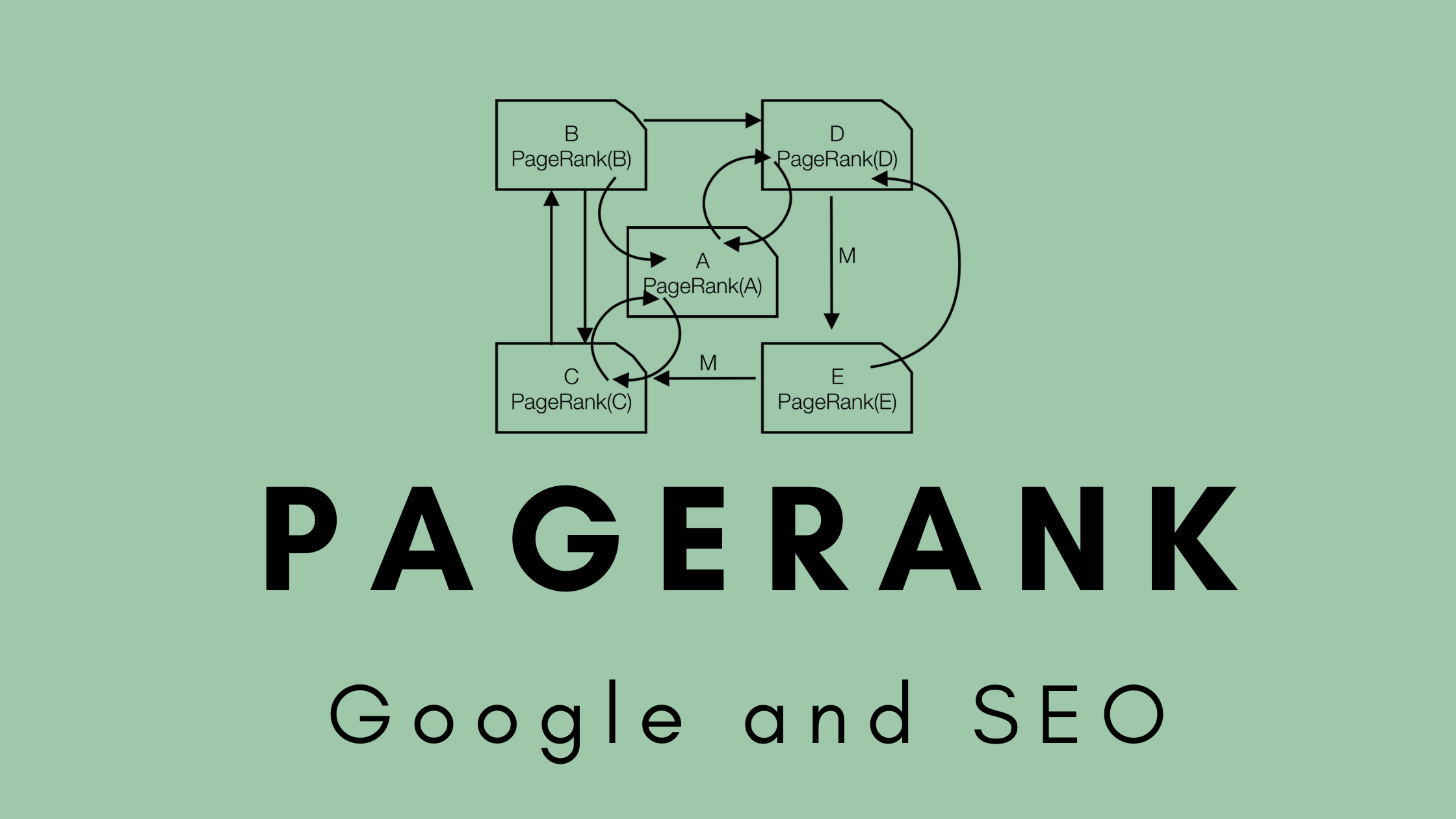
Google PageRank: The Ghost in Google’s Machine (That Still Haunts Your SEO)
Remember those heady days of the early 2000s? When SEOs like us at Macronimous would obsessively refresh our browsers, eagerly watching the green bar of the PageRank toolbar inch higher? Ah, good times!
For those of you who weren’t around to witness this phenomenon (or have blocked it from your memory), PageRank was Google’s original secret sauce. It was the algorithm that judged a website’s importance based on the quantity and quality of links pointing to it. Think of it like a popularity contest where votes were cast in the form of backlinks.
But then, in 2016, Google did the unthinkable: they pulled the plug on the public PageRank toolbar. Suddenly, SEOs were left in the dark, unable to see the numerical representation of their link-building efforts.
So, is PageRank dead?
Not quite. Like a ghost in the machine, it continues to influence Google’s rankings, albeit behind the scenes. While we can no longer see the score, the fundamental principles of PageRank still hold true:
- Links are still votes of confidence: The more high-quality websites link to you, the more Google trusts your site.
- Not all links are created equal: A link from a reputable, authoritative website in your niche carries far more weight than a link from a spammy directory.
- Relevance matters: Links from pages with related content are more valuable than those from unrelated sites.
How is this mysterious PageRank calculated?
While the exact formula is a closely guarded secret (think Coca-Cola’s recipe), the basic idea is that a link from a high-PageRank page is more valuable than a link from a low-PageRank page. This is similar to how a recommendation from a celebrity holds more weight than one from a stranger. Google also considers factors like the relevance of the linking page and the anchor text used in the link.
Imagine the internet as a network of roads, and websites as destinations. PageRank considers the number and quality of “roads” (links) leading to a website. The more high-quality links pointing to a page, the higher its PageRank, and the more important Google considers it.
Why should you care about a metric you can’t see?
Because understanding the principles of PageRank can help you build a stronger backlink profile, which in turn boosts your overall SEO performance. Here’s how:
- Focus on quality content: Create valuable, informative content that naturally attracts links from other websites.
- Build relationships: Connect with other website owners and bloggers in your industry. Guest blogging, participating in online communities, and promoting your content can lead to valuable backlinks.
- Monitor your backlink profile: Use tools like Ahrefs or SEMrush to analyze your backlinks and identify any potentially harmful links.
The PageRank legacy lives on
While the green bar may be gone, the spirit of PageRank lives on. By focusing on earning high-quality backlinks, you can improve your website’s authority and visibility in Google’s search results.
And for those of us who still remember the thrill of watching that PageRank bar climb, let’s raise a glass to the algorithm that shaped the early days of SEO. Cheers to PageRank, the ghost in Google’s machine!
Related Posts
-
 April 9, 2020
Google case in the UK, SEO Algorithms and what it means to an SEO Company
It was in the headlines last week. Trust you’ve read the news (https://www.searchenginejournal.com/google-may-be-forced-to-reveal-its-search-algorithm-to-an-seo/359536/) of Google’s predicament! Either way, it looks like Google is being cornered in a legal battle against Foundem, the UK based price comparison website. Well, let us leave it to the courts to decide on an appropriate
Google, Google SEO, Search Engine Optimization, SEO, Welcome0 comments -
 June 27, 2023
JavaScript SEO techniques: Canonicalization and Schema Markup (Explained with Examples)
JavaScript SEO Techniques: Enhancing Your Website's Search Engine Visibility In today's digital landscape, JavaScript is widely used to create dynamic and interactive websites. However, when it comes to optimizing JavaScript-based websites for search engines, certain challenges arise. In this blog post, we'll explore two essential elements of JavaScript SEO: canonicalization
